

Healthy living tips
Living with Merkel cell carcinoma (MCC) can be challenging, but there are steps you can take to help support your health and feel your best. Taking care of your body can make daily living easier and may improve your quality of life and can potentially lower the chances your cancer will come back.
This section gives practical tips for healthy living and ways to find support as you manage life with MCC. Experts suggest that staying active, eating a healthy and balanced diet with plenty of fiber, getting enough sleep, managing stress, and protecting your health by limiting alcohol, avoiding tobacco, and staying safe from the sun can all help make a difference.
- Here is a general graphic showing many of these aspects: Healthy Living With Cancer: Infographic (PDF) (American Institute for Cancer Research)
These healthy habits are good for everyone, not just those with MCC. The resources below provide evidence-based strategies and practical tools to help make positive lifestyle changes.
Stay active
Even small amounts of movement can make a big difference. Regular exercise may help lower stress, reduce treatment side effects, and boost your energy levels. Both aerobic activity and resistance training (such as weightlifting) have been shown to assist with managing disease and improving overall health. Try to include activities you enjoy, like walking, swimming, gardening, or gentle stretching. Adding exercise into your routine can also mean spending more time with family or friends.
- Physical Activity Infographic (PDF) (American Institute for Cancer Research)
- Exercise Guidelines for Cancer Patients (PDF)
- Cancer and Exercise Resources (American College of Sports Medicine)
- Tips if you’re too tired for physical activity (American Institute for Cancer Research)
Tip: Always talk with your healthcare team about the types of activities that are safe and right for you, before starting a new exercise routine.

Healthy diets
What you eat matters for your health. Although research is still being done about how diet affects cancer outcomes, there is some evidence that a healthy diet can be another tool to help your body’s ability to fight cancer.
Fiber in fruits and vegetables
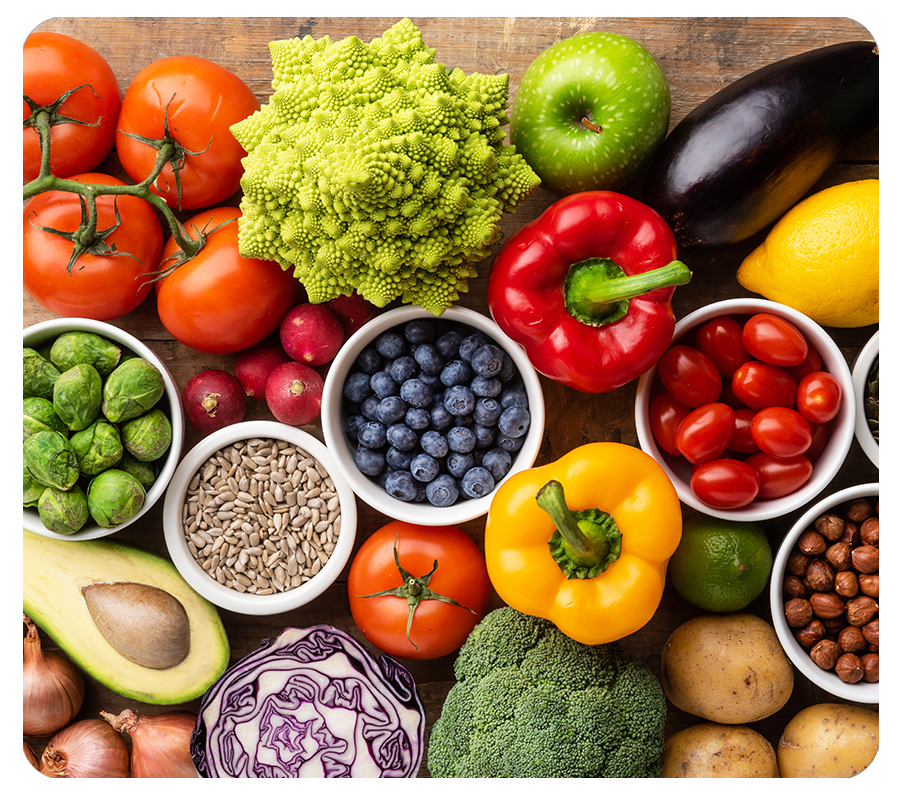
One of the most important parts of your diet during cancer treatment is fiber. Eating more high-fiber foods like fruits, vegetables, and whole grains can support your immune system.
Learn more: What is fiber and why is it important? (Stanford)
- If you want to learn more about adding fiber-rich foods to your meals, check out Cook for Your Life for easy recipes.
- Many cancer centers, including Fred Hutch, offer free nutrition advice. If you are a Fred Hutch patient, learn more here. If not, ask your cancer center about nutrition help.
Some people try “juicing” to get more fruits and veggies in their diet. While our team does not endorse any specific method, we have gathered some information from our patients with MCC.
Patients with MCC have recommended the following tips to help with juicing:
- Include dark veggies and fruits
- Scrub all your produce to remove any dirt and grime
- Don’t peel the produce or remove any rinds, skins, seeds and stems (except if you’re using oranges and grapefruits, where you should remove the colored portion of the rinds)
- Make the juice using the WaringPro Juice Extractor or a similar model
Several patients have recommended the book Beating Cancer with Nutrition by Patrick Quillin as an additional tool to improve their health when fighting MCC.
Another book that several patients have found useful about general health & lifestyle management when battling cancer is Anticancer: A New Way of Life by David Servan-Schreiber MD, PhD.
Nutritional Supplements
Some patients use supplements, like Host Defense® MyCommunity Capsules, to support their immune system. Although it is unclear if these help patients with MCC, some studies of Asian medicinal mushrooms have shown they can stimulate immunity in some people, and this could possibly be helpful for patients with MCC.
Please note that we are not recommending or endorsing these products but are passing along information that our patients have used and liked. Always talk to your doctor before starting any supplement, as some can affect your cancer treatment or other medicines you take.
- Supplements and cancer care (American Cancer Society)
Several of our patients take supplements to improve their nutritional status and assist their immune system. These include Host Defense® MyCommunity Capsules (available from Fungi Perfecti).
High quality information about what natural medicines may be safe and effective can be found at this website: naturaldatabase.therapeuticresearch.com
Limit alcohol
Drinking alcohol has been linked to many different types of cancer. Although we don’t know how alcohol affects MCC, experts say it’s best not to drink alcohol if you have cancer.
It is also unclear how alcohol can affect cancer treatments, so you should speak with your doctor about alcohol consumption.
- Alcohol and cancer: What to know (American Cancer Society)
Avoid smoking
If you smoke, quitting is one of the best things you can do for your health. There are no studies on smoking and MCC, but we know from other cancers that smoking makes it harder for your body to fight cancer.
- In melanoma, research shows that patients who smoke cigarettes are “40% less likely to survive the disease than those who have never smoked”. It is thought that the chemicals in cigarettes decrease the ability of your immune system to work against the cancer
- Learn more about how smoking affects cancer (melanoma)
Stress and sleep
Stress is often overlooked as a lifestyle factor in cancer care, but stress can affect your body and mind. For patients with MCC, managing stress may help you feel better and support your treatment.
Stress and cancer
Stress is not a cause of cancer, but we know that stress can have negative effects on overall health. Research shows that long-term psychological stress can weaken the immune system, cause hormone changes, and impact the way your cells work. Current research is still looking at if and how stress may impact cancer progression.
Managing stress
It is important to take care of your stress like you take care of any other aspects of your health. Finding healthy ways to manage stress can help you feel better in your body, mind, and spirit.
Ways to manage stress include:
- Mindfulness and meditation
- Physical activity (see above)
- Spending time with loved ones
- Talking to a counselor or joining a support group (see above)
- Getting enough sleep
Getting enough sleep
Sleeping is very important for your health. Getting enough sleep helps you manage your stress levels and keep your body’s immune system in good shape to fight cancer. The American Academy of Sleep Medicine recommends getting at least 7 hours of sleep every night.
Many patients with cancer experience sleep problems that make it hard for them to sleep or affect their quality of sleep. Too often these issues go untreated, even though conditions like insomnia or sleep apnea can be managed.
If you have trouble sleeping, talk to your doctor. There are ways to treat sleep difficulties and help your body stay strong.
- It's important to address sleep problems in cancer (Fred Hutch)
- Learn more about sleep problems (American Cancer Society)

Complementary & alternative therapies
Some people choose to add other therapies to their cancer care, like special diets, supplements, or mind-body practices. While some patients find these helpful, there is not much research to show if they work for MCC. Always talk with your doctor before starting anything new, as some supplements or treatments can affect your regular cancer care.
Tips about complementary and alternative therapies:
- These are meant to support—not replace—your regular cancer treatment
- Some supplements can cause side effects or interact with medicines, so check with your doctor or pharmacist
- High-quality information about what natural medicines may be safe and effective can be found at this website: naturaldatabase.therapeuticresearch.com