

Steps after diagnosis
It is crucial for newly diagnosed patients to consult an MCC specialist as soon as possible. Doctors who are experts in this rare cancer can give you the best recommendations for testing, treatment, and help you plan next steps. If you are a newly diagnosed patient, please find a specialist.
Take a look at some of the first steps that you will take after you are diagnosed, before you start treatment:
Staging

The first thing your doctors will want to do is find out the stage of the cancer. This is a routine step for all types of cancer. Finding the stage is like getting a weather report for your cancer. It tells doctors what is happening right now and helps them plan what to do next.
The stage of the cancer is determined by the size of the tumor and if the cancer has spread to the lymph nodes or other parts of your body.
Doctors determine the stage of cancer by performing physical exams and tests, including:
- Measurements to see how big the tumor is
- Sentinel lymph node biopsies to see if the cancer has spread to nearby nodes
- Imaging scans to see if the cancer has spread to other parts of the body
Learn more about staging in Merkel cell carcinoma: Stages of disease
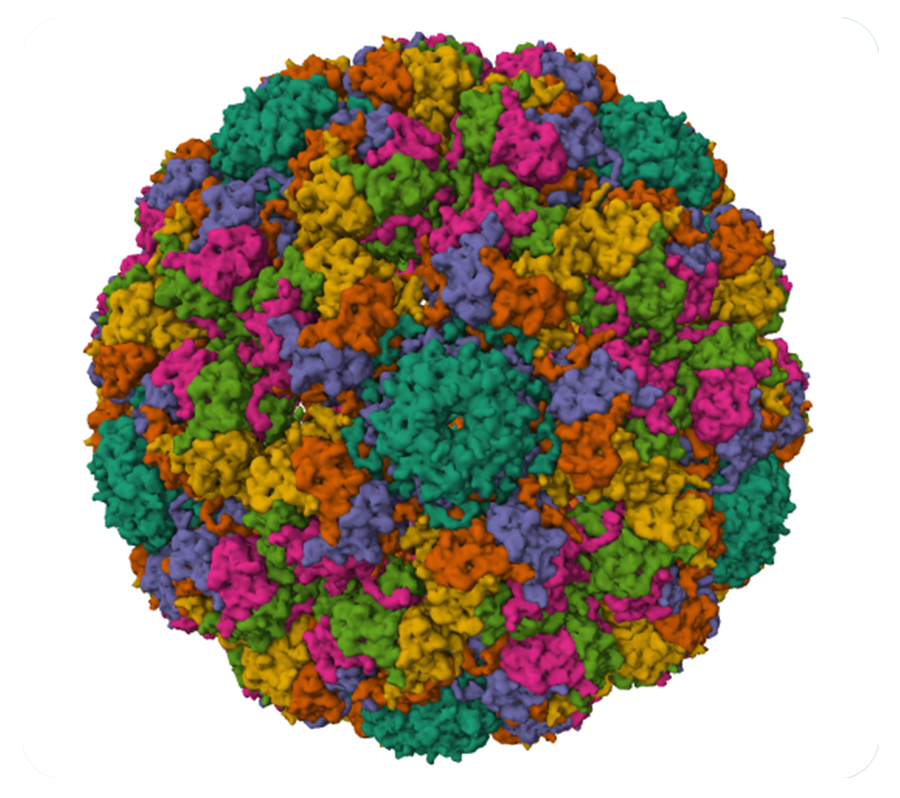
Testing for the Merkel polyomavirus (MCPyV)
Newly diagnosed patients should have their skin biopsy sample tested for the Merkel polyomavirus (MCPyV), a virus that commonly causes MCC. Identifying if a tumor was caused by the virus can give doctors information about how you should be monitored after treatment.
This is something the pathologist will do on their own—you don’t have to do anything extra for this test if you’ve already had a skin biopsy.
- The same tumor sample taken from the skin biopsy that was used to diagnose your MCC can also be used to see if you have the active virus in your tumor. This is called a “CM2B4 antibody test”
- Pathologists will look at the sample to see if it contains a specific piece of the virus called the "oncoprotein". The oncoprotein is the portion of the virus that is key for making tumors grow
- A positive test: Tumors are "virus-positive" if they contain this oncoprotein. About 80% of MCC tumors have the oncoprotein and are positive for MCPyV
- A negative test: MCC tumors that do not contain the virus (“virus-negative MCC tumors”) have a greater chance of coming back in the future after treatment, so it can be helpful for patients to know if they are virus-positive or virus-negative
Blood tests
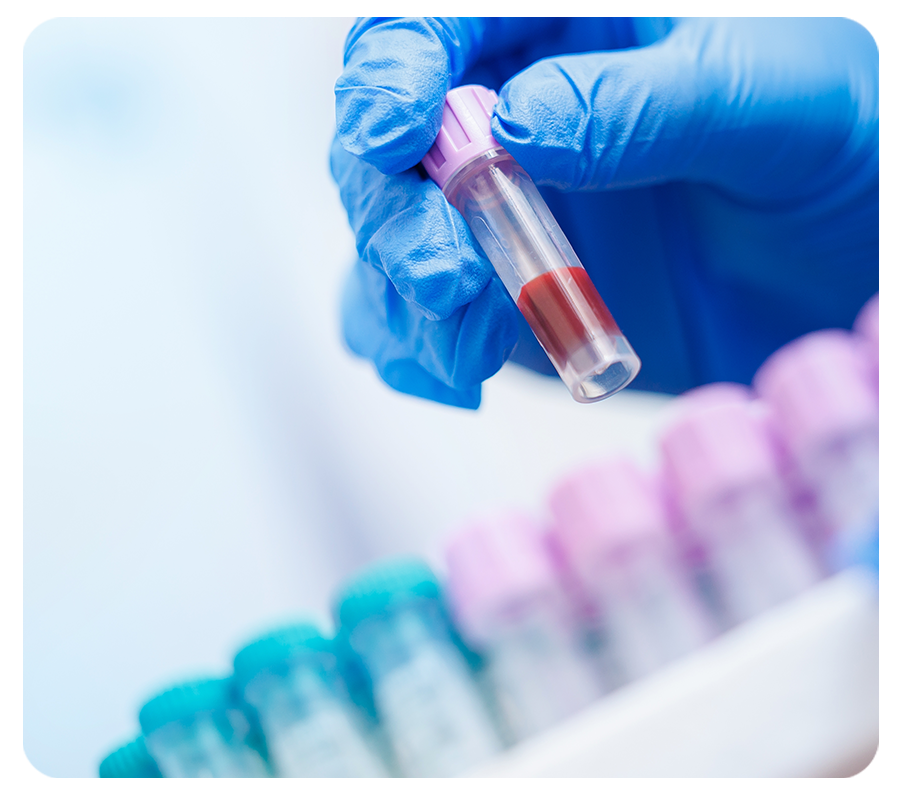
Shortly after diagnosis, patients should have their blood drawn for two specific tests that are important to help doctors plan their care over time.
- MCPyV serology blood test looks at whether your body makes antibodies to the virus described above
- Circulating tumor DNA (ctDNA) test
- To learn more about using these tests for long term monitoring, please see blood tests
These tests should ideally be done soon after diagnosis. The MCPyV serology test is less reliable if not done within a few months of diagnosis, and the ctDNA test can take time to build.